 Skip to content

Replacing windows in a conservation area can feel overwhelming. Between planning regulations, heritage requirements, and the need to preserve the original character of your property, it’s not always clear what you can do, or where to start. Yet when handled with care, new windows can significantly enhance the energy efficiency, comfort, and long-term value of your home, all while protecting its architectural integrity.
At Preferred Joinery, we specialise in replacing windows in conservation areas and have worked on numerous listed buildings and heritage homes across Liverpool and the North West. Our team understands the challenges, the regulations, and the craftsmanship required to create windows that are both beautiful and compliant. If you’re considering new windows in a conservation area, this guide covers everything you need to know before beginning your project.
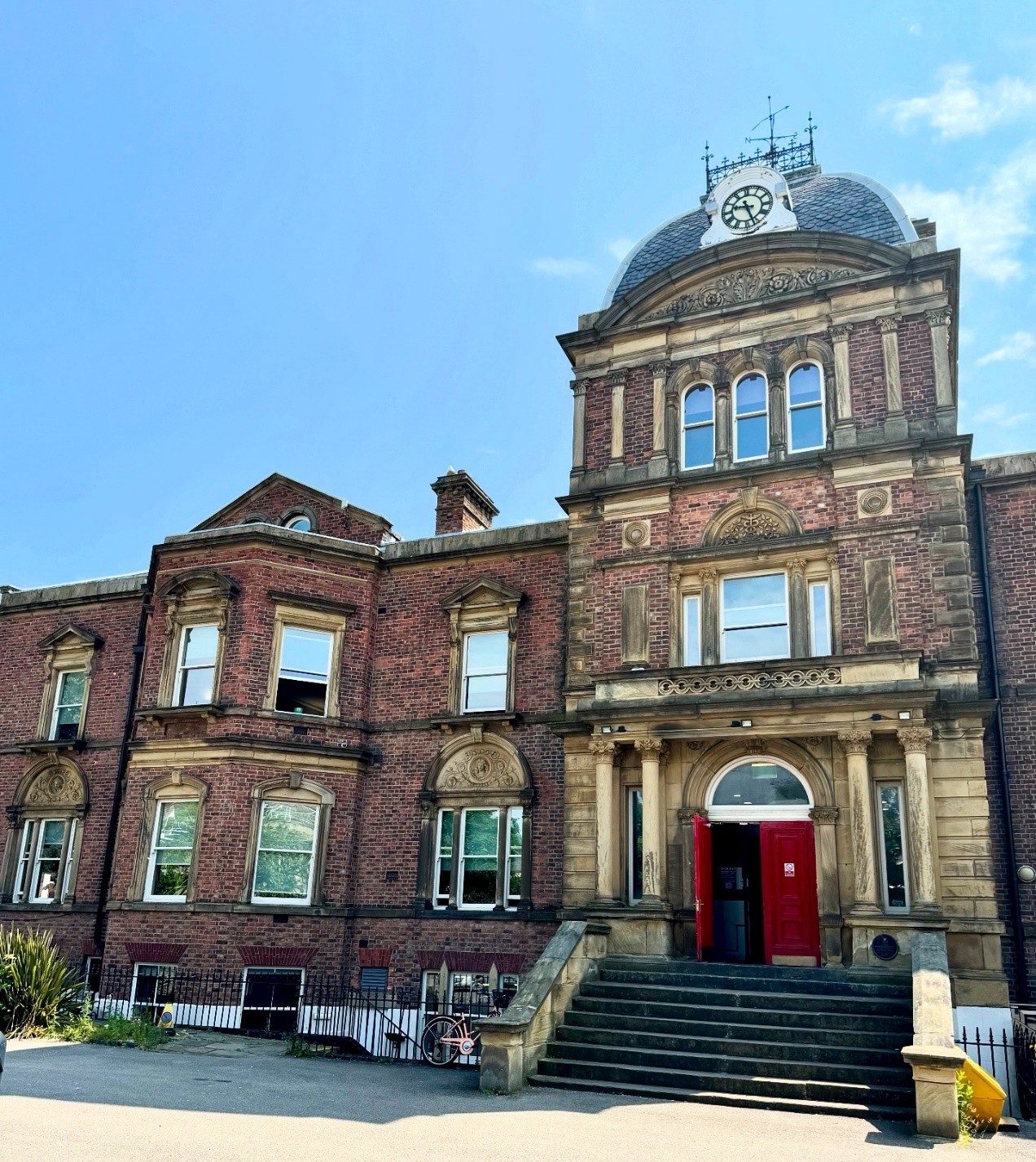
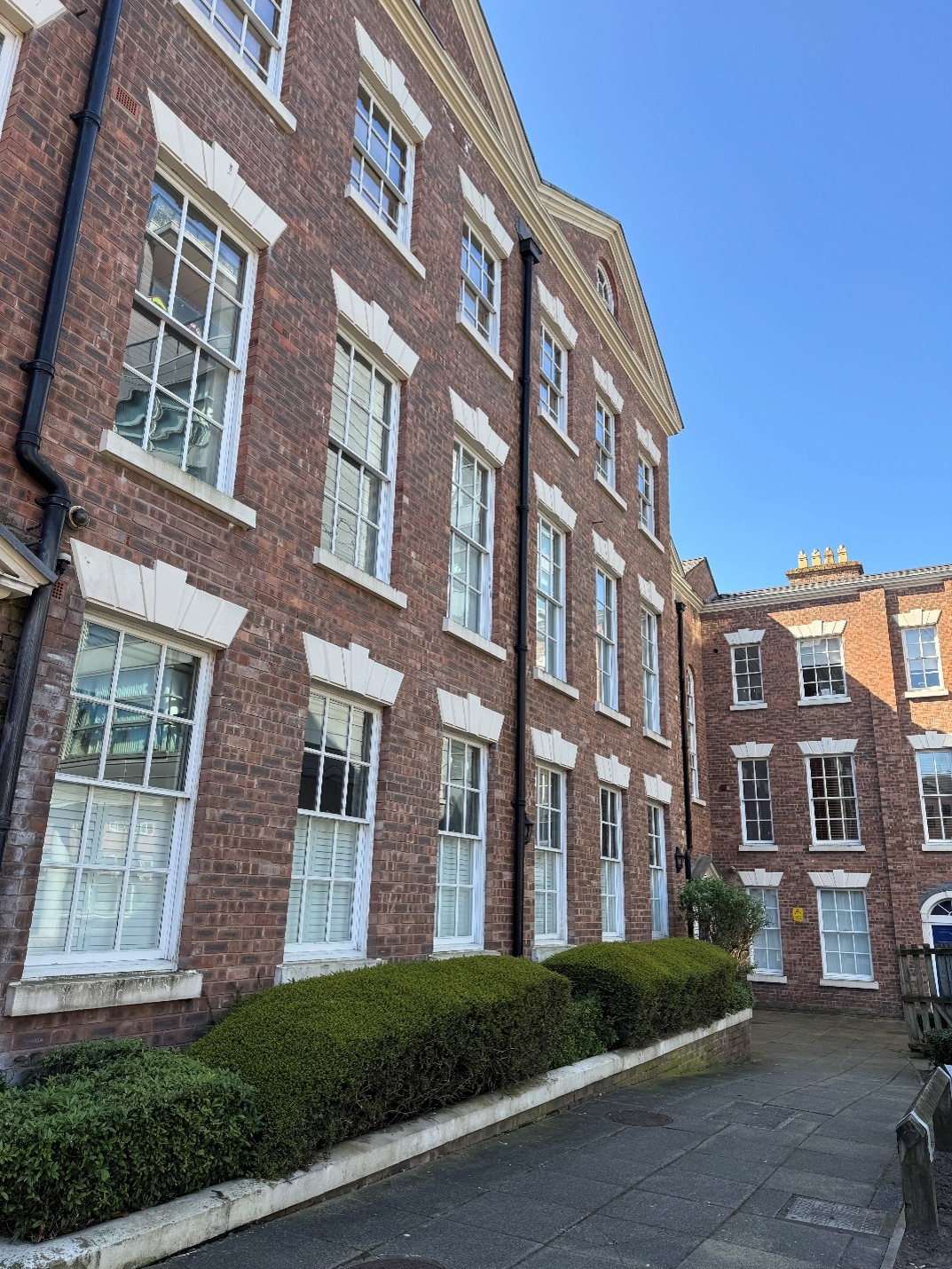
A conservation area is a designated zone recognised for its special architectural or historic interest. These areas are protected so that their unique character, from the style of buildings to the materials used, can be preserved for future generations.
Because of this protection, replacing windows in a conservation area is not as straightforward as choosing a new design and booking an installer. Local authorities often have strict guidelines about:
If your home or business is listed, the rules are even more precise. In most cases, like-for-like replacement is required, meaning your new windows must match the originals in appearance, operation, and material.
The purpose is simple: to ensure any replacement window fits seamlessly with the building’s existing character, as though it has always belonged there.
While uPVC windows are common in modern homes, conservation areas prioritise authenticity, which is why bespoke timber windows are usually the preferred, and often required, choice.
Timber allows for traditional mouldings, glazing bars, sash horns, and profiles that perfectly replicate original heritage windows. This ensures your home remains true to its period, whether Georgian, Victorian, Edwardian, or 1930s.
With modern glazing options (including heritage slimline glass), draught-proofing and specialist seals, timber windows can significantly improve comfort and reduce heat loss without affecting the exterior appearance.
High-quality hardwoods, treated softwoods, and advanced microporous paints provide decades of weather resistance and stability.
Timber is usually the only material acceptable for conservation windows. It allows you to meet heritage guidelines without compromise.
Well-made timber windows elevate your home’s kerb appeal and amplify its market value, especially in desirable conservation areas.
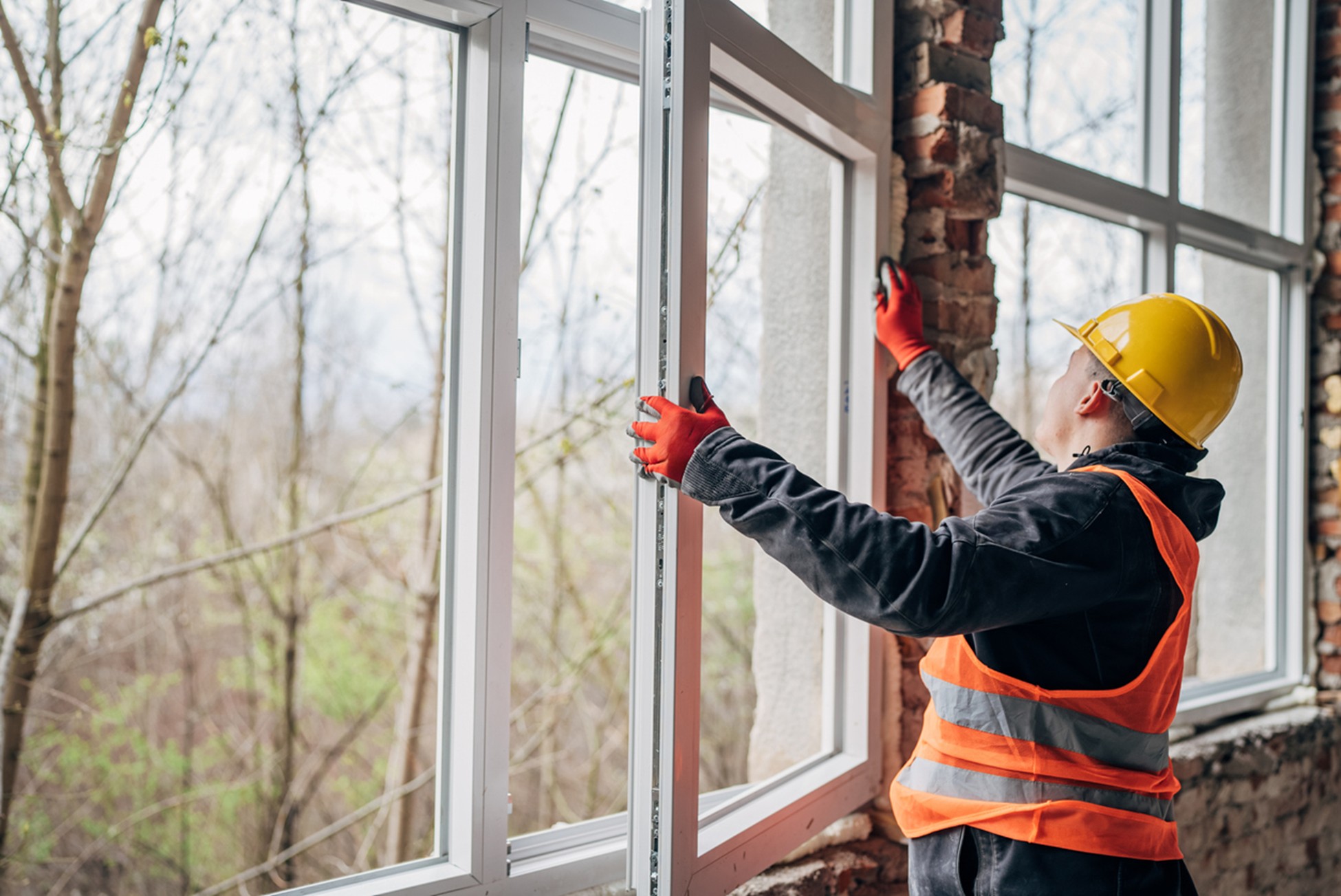
Before beginning any work, there are essential points every homeowner should understand. These will help you avoid delays, navigate regulations smoothly, and achieve the best outcome for your heritage property.
If you live in a conservation area, you often need to apply for planning permission before replacing windows especially if:
Each council has slightly different rules, but the principle is the same: your replacement windows must preserve, or enhance, the building’s existing character.
In nearly all conservation cases, your replacement windows must match the original design. This includes:
This is where bespoke joinery becomes essential. Off-the-shelf windows rarely
Heritage slimline double glazing is often permitted as long as it replicates the look of traditional single glazing. This means:
Your new windows can perform like modern units while convincing planning officers and passers-by that they are original features.
Replacing windows in a conservation area isn’t a typical installation job. It requires:
Choosing the wrong installer can lead to rejected applications, costly mistakes, or windows that simply don’t look right.
This is exactly why homeowners choose Preferred Joinery when replacing windows in a conservation area.
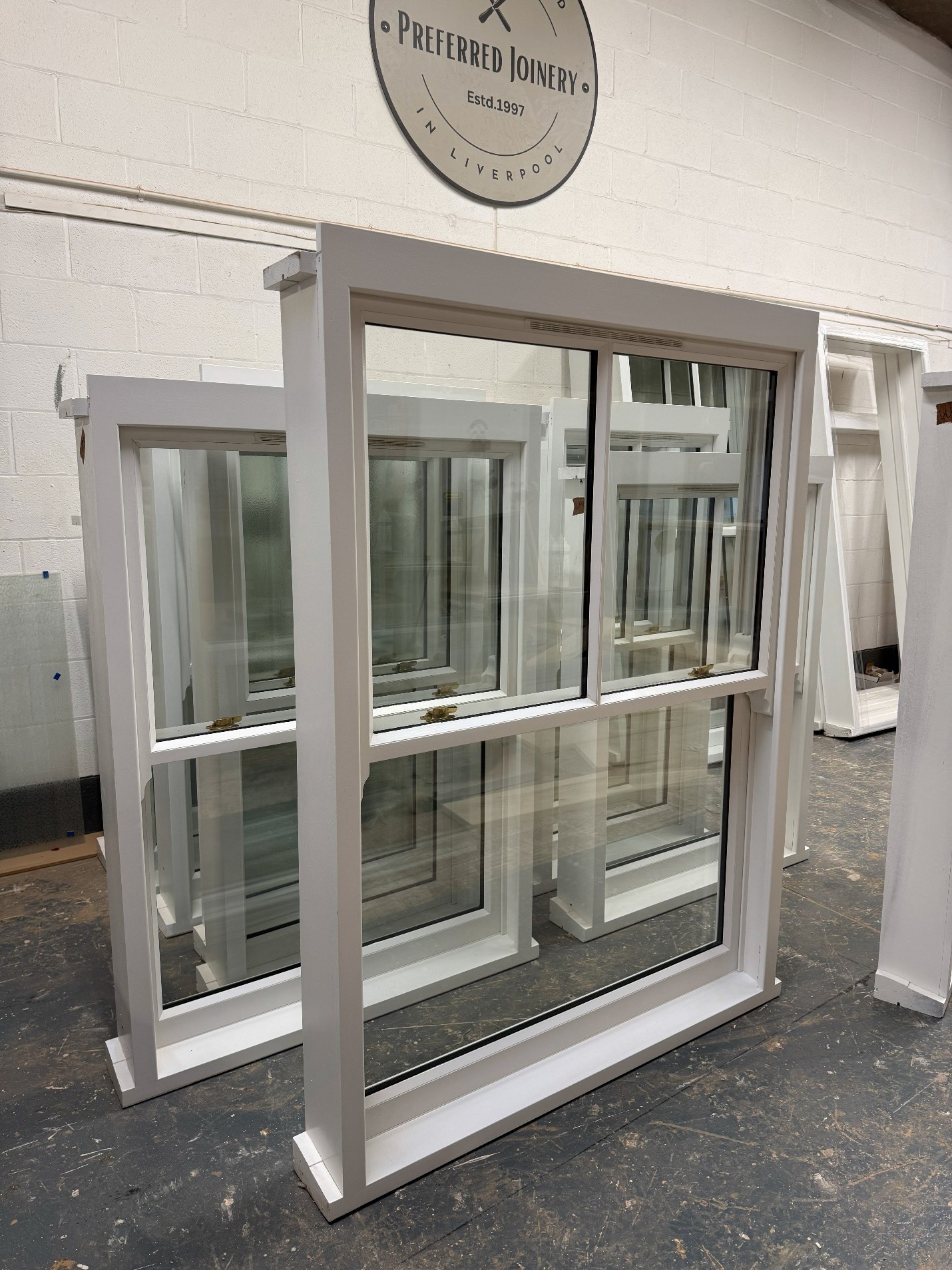
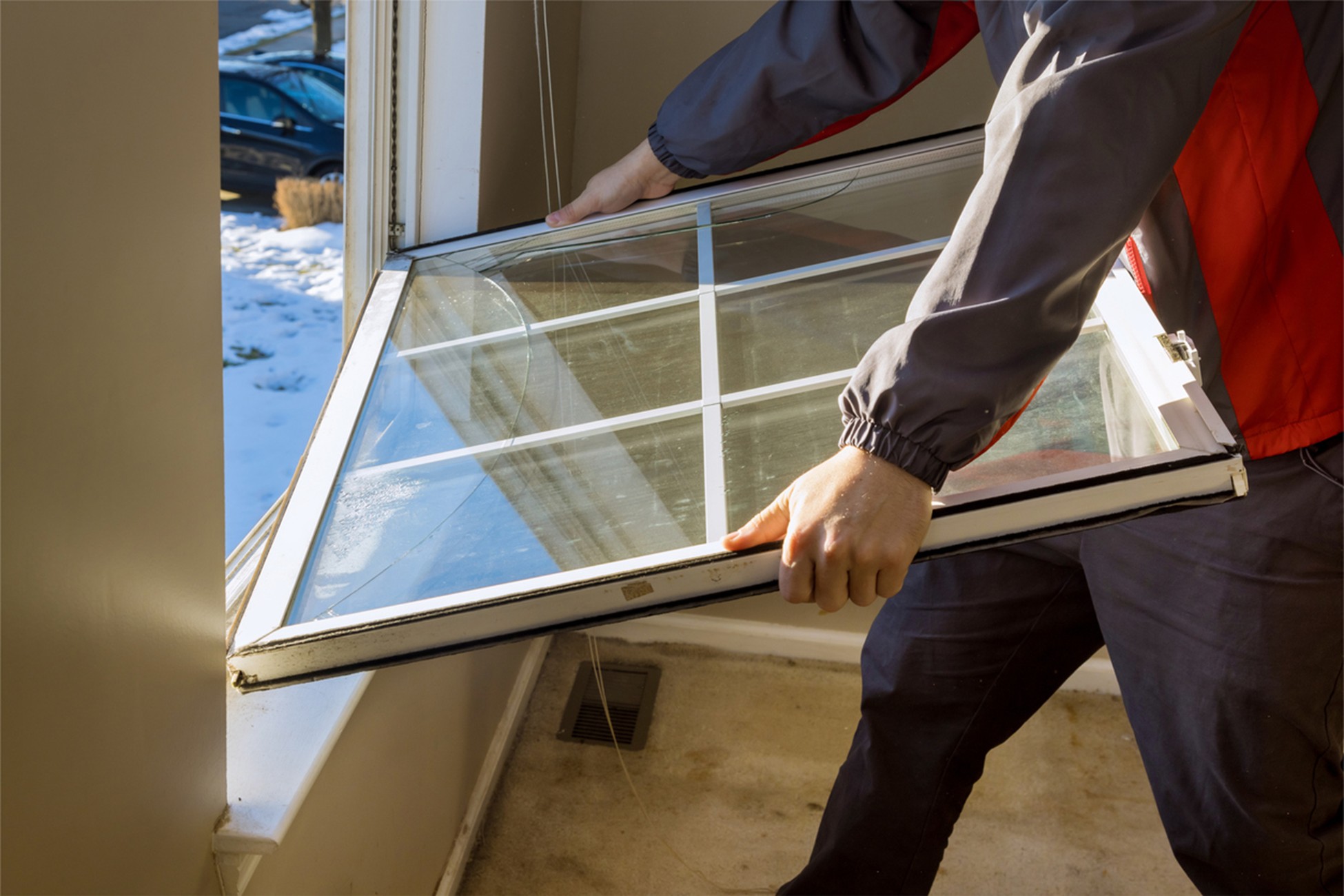
Different timbers offer different benefits. At Preferred Joinery, we commonly use:
The right timber ensures longevity, authentic grain patterns, and reliable performance.
Every heritage building is unique, even homes built in the same period. Window openings often differ by millimetres, and historical features can vary significantly.
Handcrafted windows allow for:
Mass-produced windows simply cannot replicate this level of accuracy.
Here are some practical tips to make the process smoother:
A specialist can identify what’s original, what can be replicated, and what improvements can be made discreetly.
Photos of original windows are invaluable for matching details during the design stage.
In most conservation settings, uPVC is rejected because it alters sightlines and appearance.
Slimline double glazing, draught seals, and acoustic glass can dramatically improve comfort without changing the look.
It saves time, avoids rejections, and ensures the design meets heritage criteria.
Preferred Joinery has completed numerous
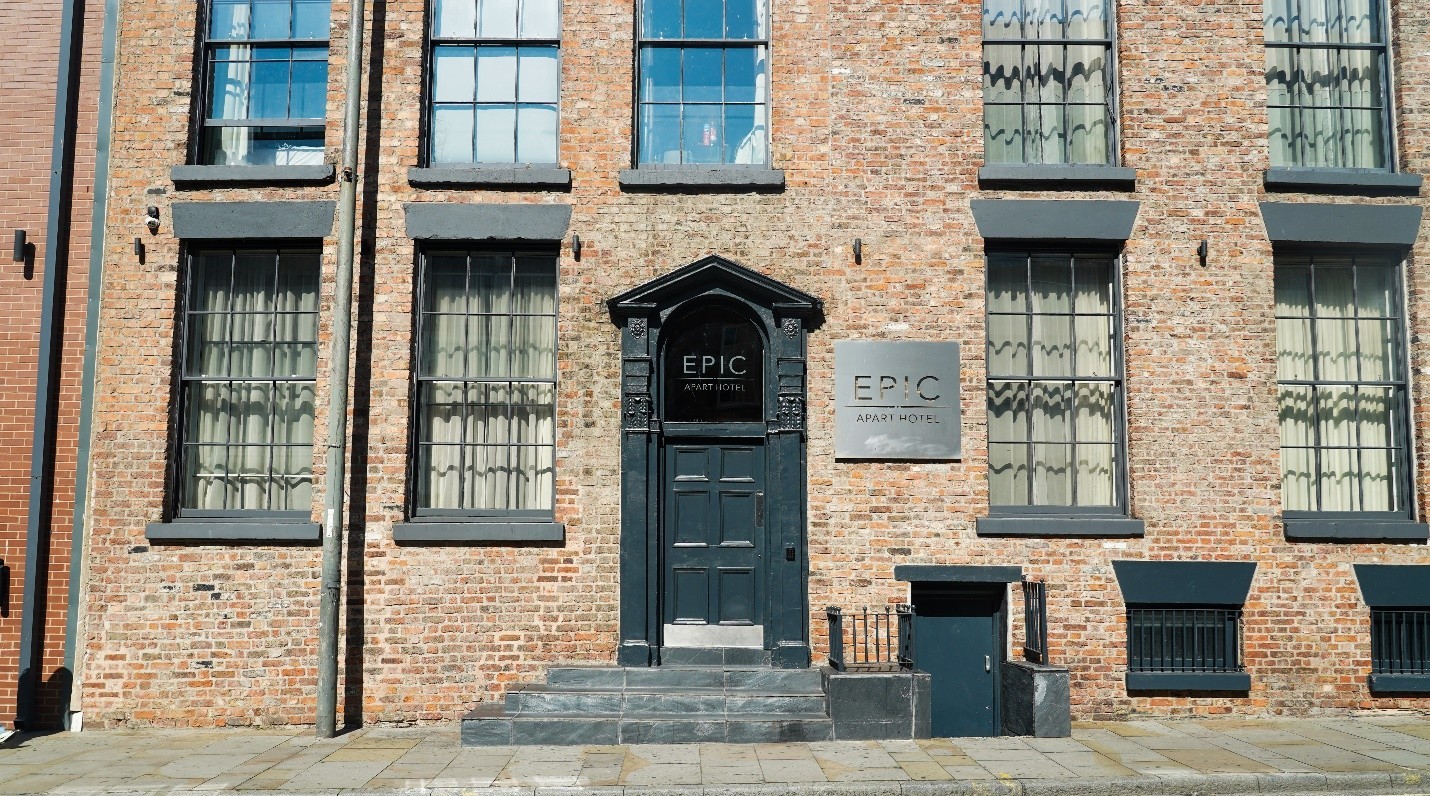
With decades of experience in replacing windows in conservation areas, Preferred Joinery is trusted by homeowners, architects, and heritage specialists across Liverpool and beyond. Our craftsmen have worked on Georgian terraces, Victorian villas, Edwardian townhouses, and Grade II listed properties, many of which are featured on our website.
We regularly collaborate with local councils and conservation departments to ensure every design meets legal and aesthetic requirements. From the earliest sketches to final installation, our team helps manage the process from start to finish.
Every window we produce is:
We integrate discreet upgrades such as:
All while preserving the building’s historic charm.
Replacing your windows doesn’t need to be stressful. Preferred Joinery handles every stage:
We offer complete peace of mind for homeowners navigating the complexities of conservation regulations.
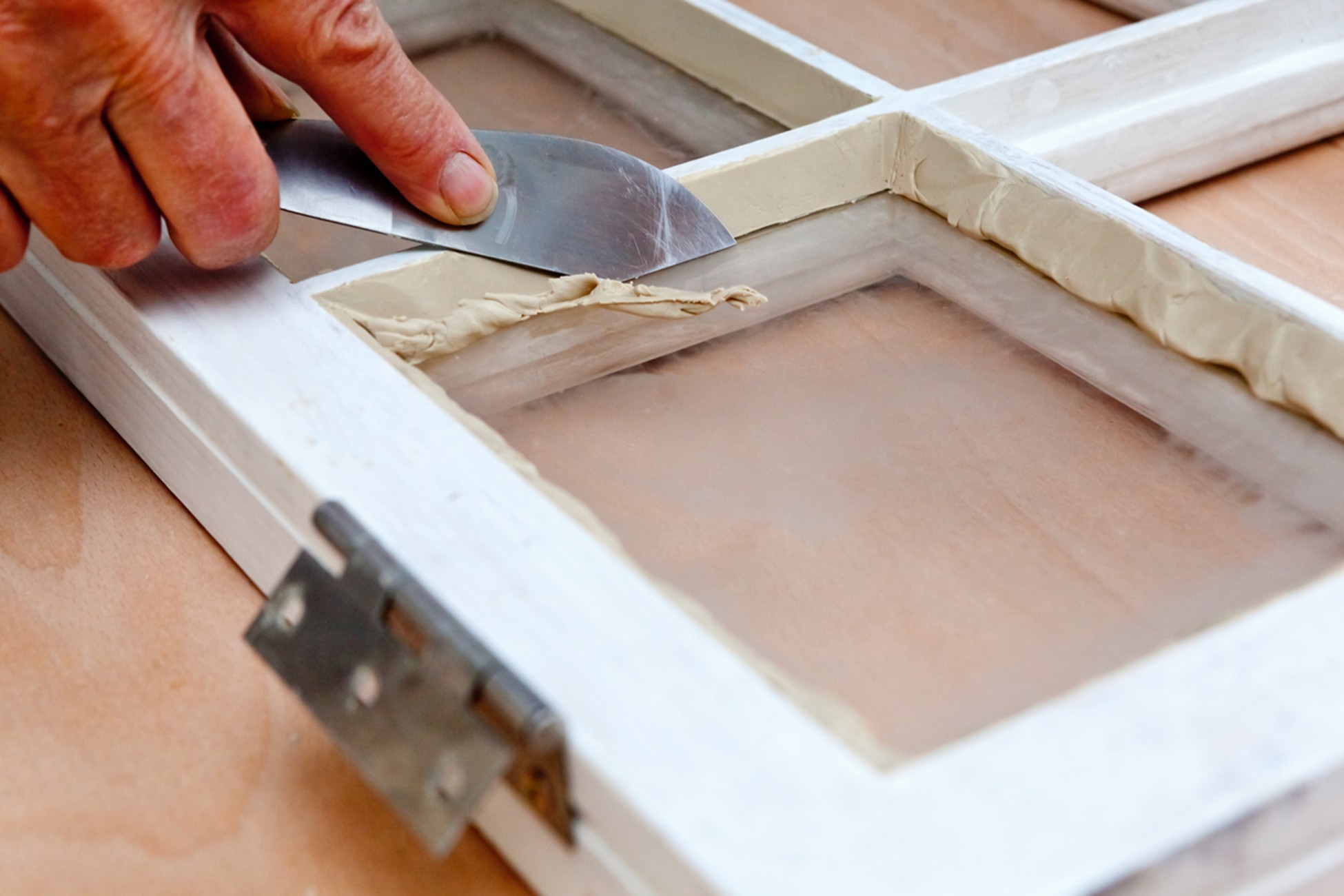
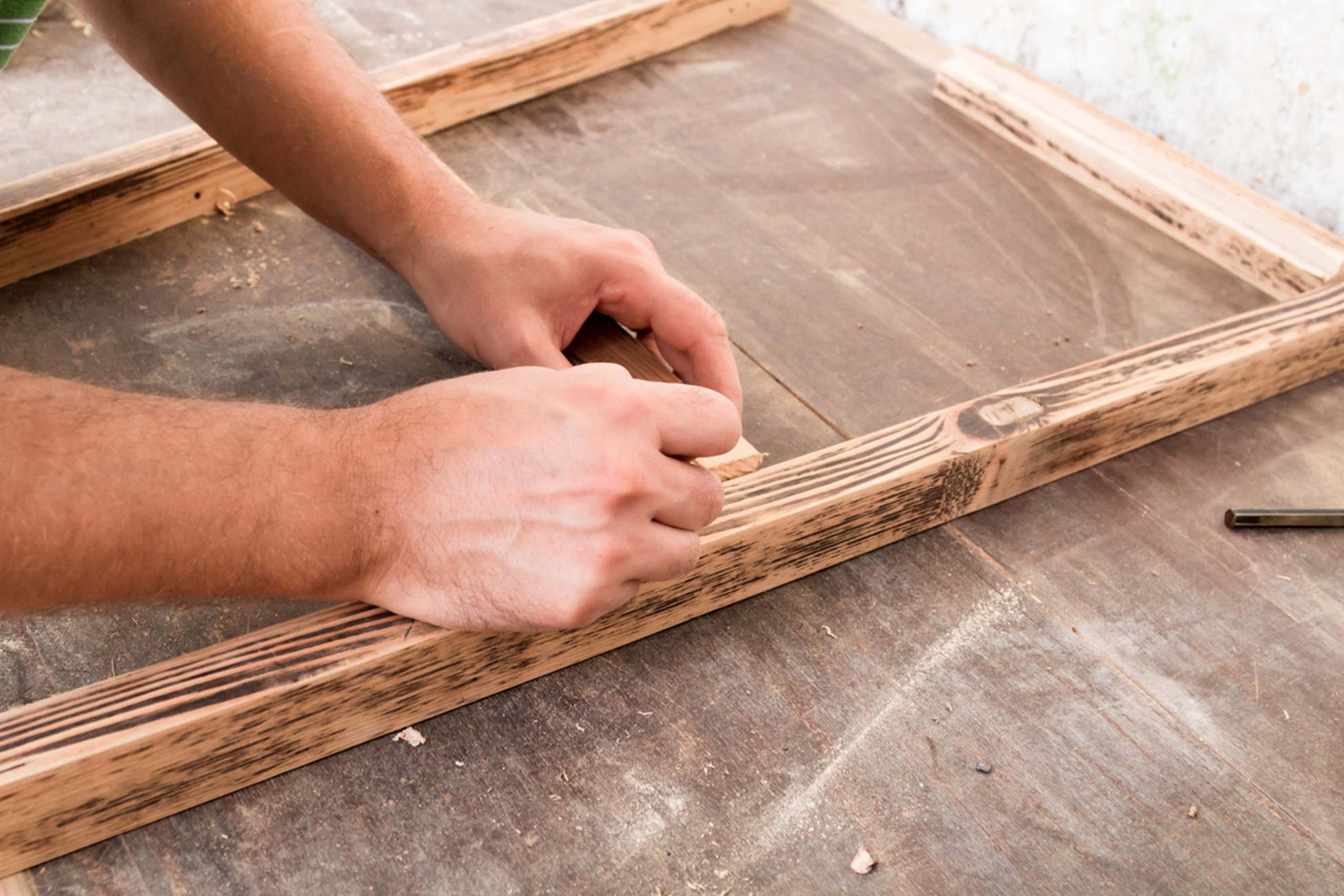
Replacing windows in a conservation area requires specialist knowledge, precision craftsmanship, and a deep respect for architectural heritage. With Preferred Joinery, you can enhance your home’s performance and comfort while preserving the features that make it special.
For advice, a survey, or to discuss your conservation project, contact Preferred Joinery today. Call us on 0151 707 9999 or email the team on info@preferredjoinery.com.