 Skip to content

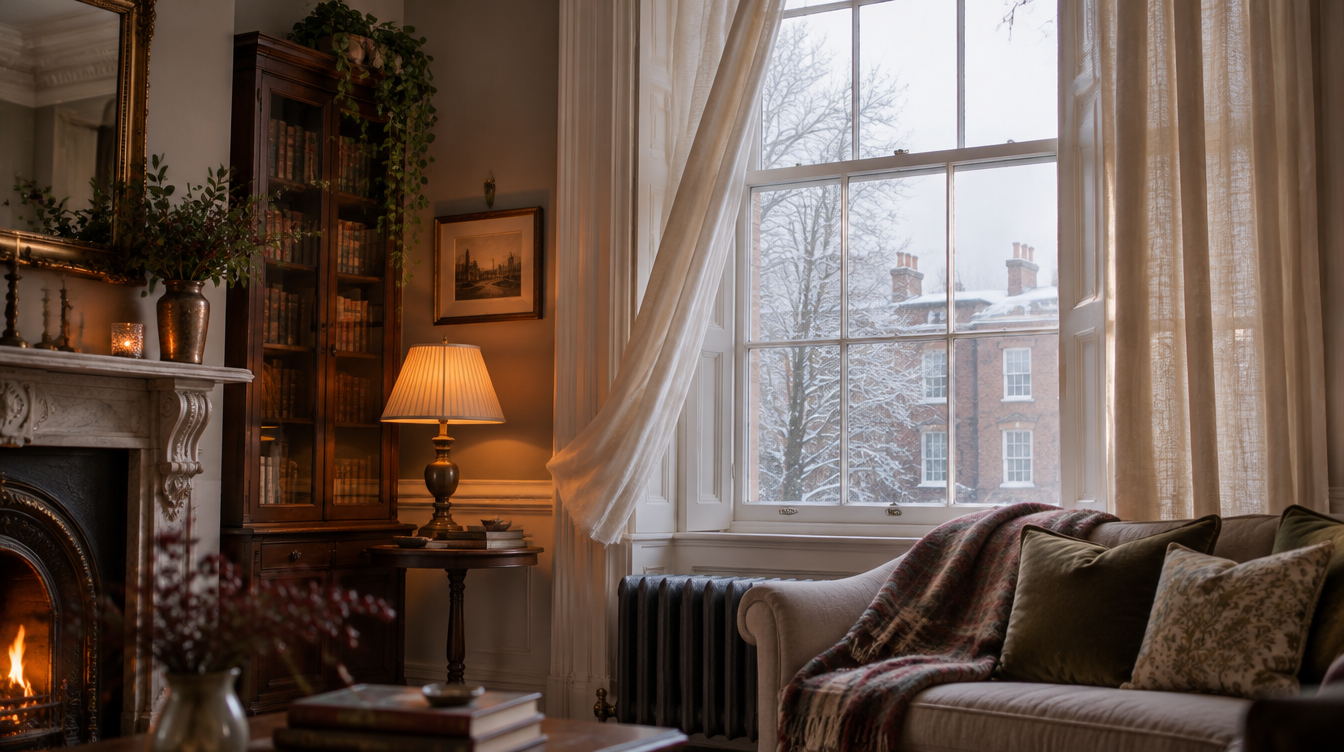
Not if they are properly constructed and maintained. A sash window has to be able to move, so there will always be small gaps around it, and the older windows will not be sealed, which will allow cold air to pass through them. The more worn a sash window, the more gaps it will have. Repairs and draught proofing close most of these gaps: Historic England reports that draught-proofing reduces air leakage through the sash windows by up to 86%.
If you live in a Victorian villa in Sefton Park or Georgian house in the Georgian Quarter, you know this feeling: the heating is turned on, curtains flutter, and there is a cold streak of air across your sofa. Are wooden sash windows draughty by design then? Not necessarily. Our company has been providing joinery services in Liverpool since 1997 and manufactures timber sash windows in our workshop. It’s not sash windows that become draughty by nature, they become draughty as they wear out.
This guide explains how the cold air gets in, how the problem can be solved, and whether new sash windows are better in such situations.
Sash windows consist of two glazed sashes that slide up and down within a timber box frame. Each sash slides in its channel created by the staff bead on the inside, a thin parting bead between the two sashes and outer lining. Traditionally, box sash windows have cords attached to sashes that go over the pulleys to weights inside the box. Spring balance window does the same thing but uses springs installed in the sides of the frame instead of cords. See our guide to understand the differences between the two designs.
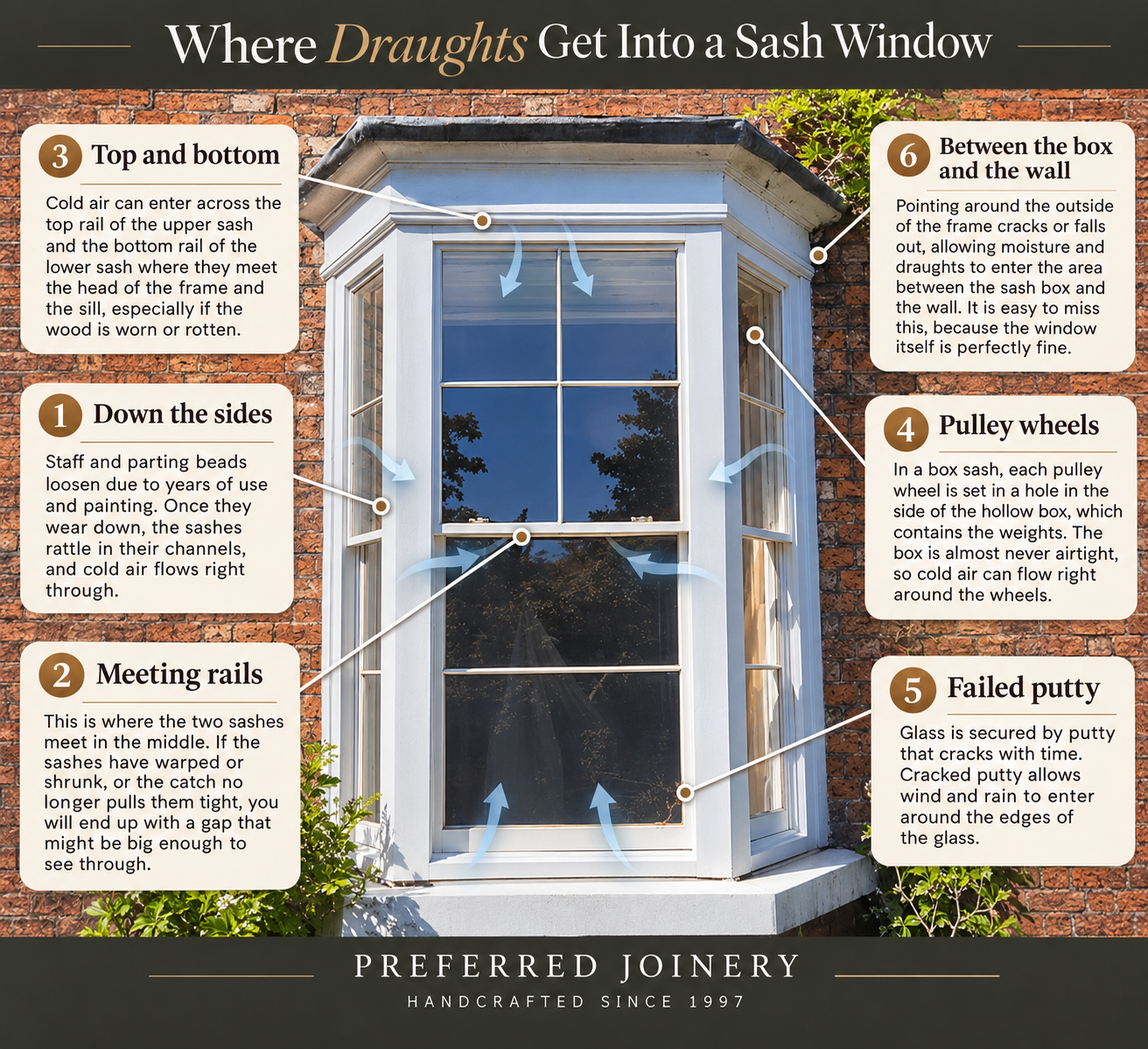
Sliding needs clearance. Each gap between the sashes down the sides, between the two sashes across the middle and at the top and bottom becomes the source of cold air leaking into the room, and there are no seals in the traditional windows at all.
According to Historic England, about one-fifth of a house’s heating is lost through the windows due to air gaps. The technical note states that less than a quarter of heat lost through a traditional window passes through the glass.
On a draughty sash window, the cold air usually comes from one of the following sources:
| Fix | What it solves | Consent needed? |
|---|---|---|
| Curtains, blinds or shutters | Heat loss through the glass and some draughts | No |
| DIY brush strips and sealing of gaps | Minor draughts at the sides, head and sill, for one or two seasons | Not usually, but consult the council before doing any work if the building is listed or it is in the conservation area |
| Repairs: new beads, cords, putty, pointing | Rattling, worn channels, gaps around the glass and the frame | Consult the council before doing any work if the building is listed or it is in the conservation area with an Article 4 direction |
| Professional draught proofing | Gaps at the sides, meeting rails, head and sill | Often, if the building is listed or it is in the conservation area with an Article 4 direction |
| Secondary glazing | Heat loss through the glass, draughts and noise | Internal: usually no; if the building is listed, consult the council before doing the work |
| New timber sashes or windows | Rotten wood, severely warped sashes, incorrect replacements | Often, if the building is listed or it is in the conservation area with an Article 4 direction |
A few simple jobs will make draughts better, as long as you buy the right materials.
There are several limitations to that. Stick-on strips wear out fast; they might prevent you from closing the sash window and do nothing for windows with rotten wood or warped sashes. In addition, Historic England warns about potential moisture problems with too little ventilation, especially in kitchens and bathrooms, so do not block a window completely or seal trickle vents. Limit your DIY efforts to temporary winter fixes.
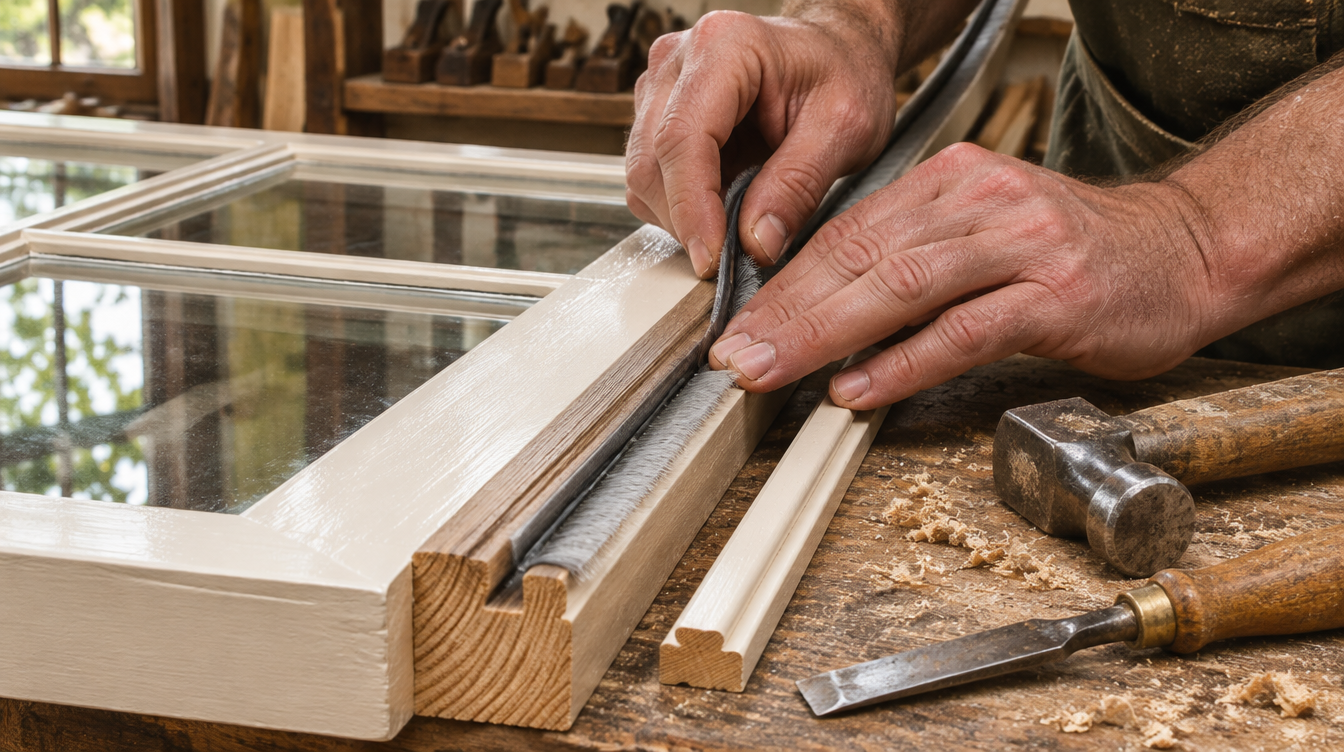
Professional draught proofing of sash windows is a very different process from putting some strips on them. First, the sashes will be removed, repaired and adjusted, then grooves are cut into their edges and meeting rails. The brush seals are inserted into the grooves, and the old beads are replaced with new ones, with brush seals built in. Once the sash windows are closed, it looks like there is nothing done. Historic England’s guide provides details about various systems used for draught proofing and points to a British Standard for draught proofing products, BS 7386.
The results depend on the condition of the window. According to the tests performed by Historic England, draught-proofing of a properly maintained sash reduced air infiltration by up to 86%, and according to its guide to windows, simple repairs alone could reduce infiltration by about a third. However, in the guide to draught proofing it gives a more cautious range of 33% to 50%. Any way you look at it, Historic England sees draught-proofing as one of the most efficient and least intrusive ways to improve a traditional window.
For some houses, yes. Secondary glazing is a separate slim internal window installed behind your sash windows. It reduces both draughts and heat losses through the glass. According to Historic England’s guide, it reduces heat loss by up to 60%, and it reduces noise, as well. Installation of secondary glazing internally doesn’t require planning permission, according to the Planning Portal, and Historic England says it doesn’t require listed building consent, either.
Secondary glazing has some drawbacks, though. Now you have two windows to open and clean, the new frame is visible from the inside, and Historic England advises leaving the outside sashes without draught-proofing once you install secondary glazing, in order to avoid condensation. Choosing secondary glazing or double-glazing sashes will depend on your priorities.
Start with repairs. Historic England states that traditional windows can almost always be repaired, even in case of severe damage. Comparing to the prices from Checkatrade, a full refurbishment costs about half the price of a new timber sash window.
New sashes become necessary when:
This is where we come in. Our timber sash windows, manufactured in Liverpool, are made as box sash or spring balance windows, and can be custom made to match original profiles and have draught-proofing built in.
Do not assume that you do not. Most houses we are working with are located in the conservation areas, and most often our customers need permission from the council to perform any works on their windows, draught-proofing included. There are exceptions and nuances, though, and rules are different for each council and sometimes from street to street, so you should always contact the planning department of your council to ask and get the permission in writing.
More information about the rules can be found in our guide to replacing windows in a conservation area.
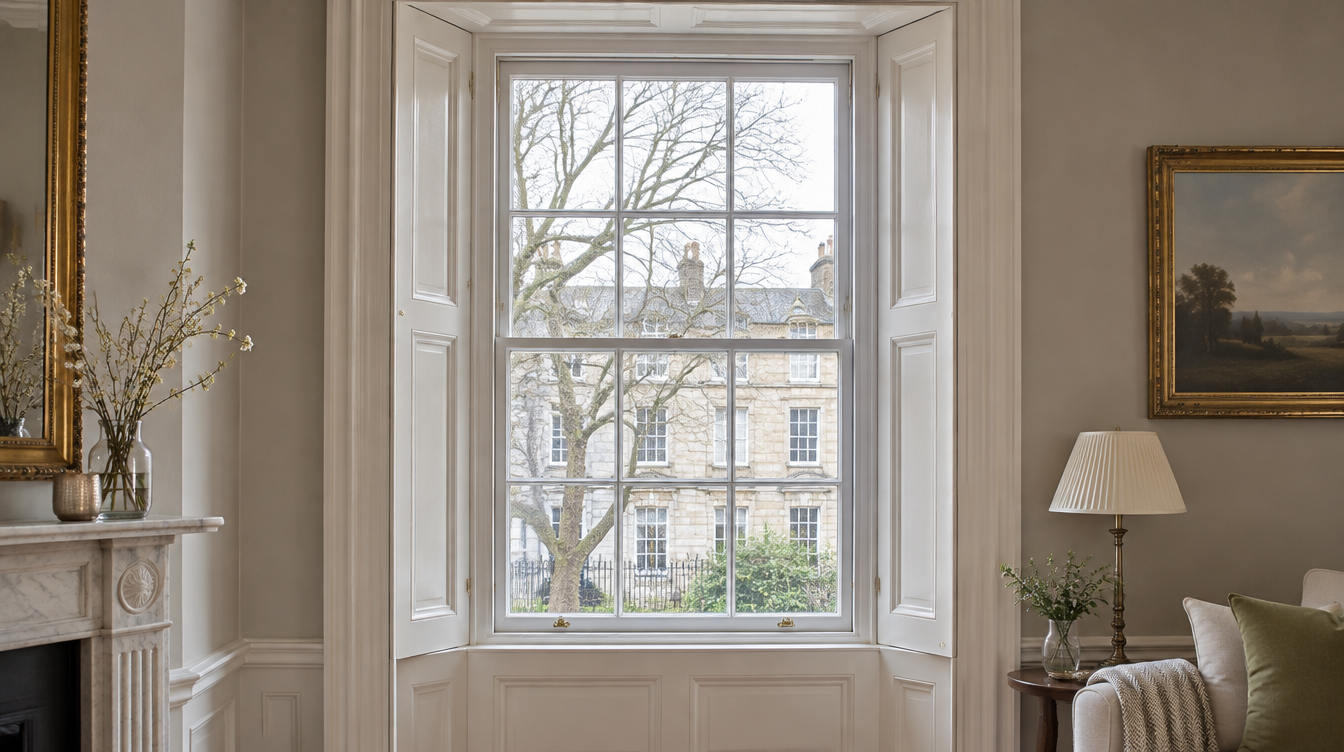
First, fix the window, then install brush pile seals in the grooves cut into the sashes and meeting rails and fitting new staff and parting beads, with seals already built into them. This way, you will seal the sides, the middle, the top and the bottom while keeping the window operational. According to the tests conducted by Historic England, draught proofing reduces air infiltration through the sash by up to 86%.
First, address draughts, because the most heat is lost due to the gaps, not through the glass. Then add a layer: heavy curtains or blinds, working shutters, or secondary glazing, which, according to Historic England, can reduce heat losses by up to 60%. If the sashes are to be replaced anyway, slim double-glazing sashes become another option.
They require maintenance. The wood has to be painted every five or ten years, cords will eventually need replacing, beads and seals become worn out. But neglected sashes won’t operate smoothly and will let draughts in, and box sashes require deep frame. Still, if properly maintained, Historic England says that old windows are usually durable and repairable.
Draughty sash windows usually mean that they need some repairs, not that it is time to replace them. Identify the gaps and fix the cheap stuff first. In case of a sound sash window, you can repair it properly and make it draught proof. And if it cannot be repaired, new timber sash windows, matching the originals will look great on your house and keep the cold away.
Replacing sash windows for your home? Contact us.